BSTAR / Manufacturing case records
Manufacturing work,
shown with context.
Selected underwear and knitted apparel projects should be useful to a buyer, not just promotional. Each published record connects the brief, specification, revision, production decision, quality review and confirmed result.
Client identities may be withheld where confidentiality applies. Exact quantities, timelines and outcomes are published only when the underlying project record can support them.
What changed between the first brief and the approved production reference?
01 / Publish what can be supported
A credible case shows
the decision path.
A country name, a testimonial and a percentage do not explain manufacturing work. A useful record shows the product context, the issue, the revision and the evidence used for approval.
Define the project
State the buyer stage, product category, intended use and the part of the project being documented.
Name the specification
Use confirmed product details, sample references, measurements, material information and construction terms.
Explain the revision
Show what was observed, what changed, why it changed and which reference was used for the next review.
Keep the result honest
Separate confirmed results from pending checks, client feedback, internal observation and general process guidance.
BSTAR case rule: anonymous client information is acceptable; invented names, testimonials, savings percentages, sales growth, order volumes or certification claims are not.
02 / Case library
Three records to build
from factory evidence.
These are reserved case directions, not published client results. Each becomes a full case only after BSTAR adds an actual sample, project record, images and confirmed outcome.
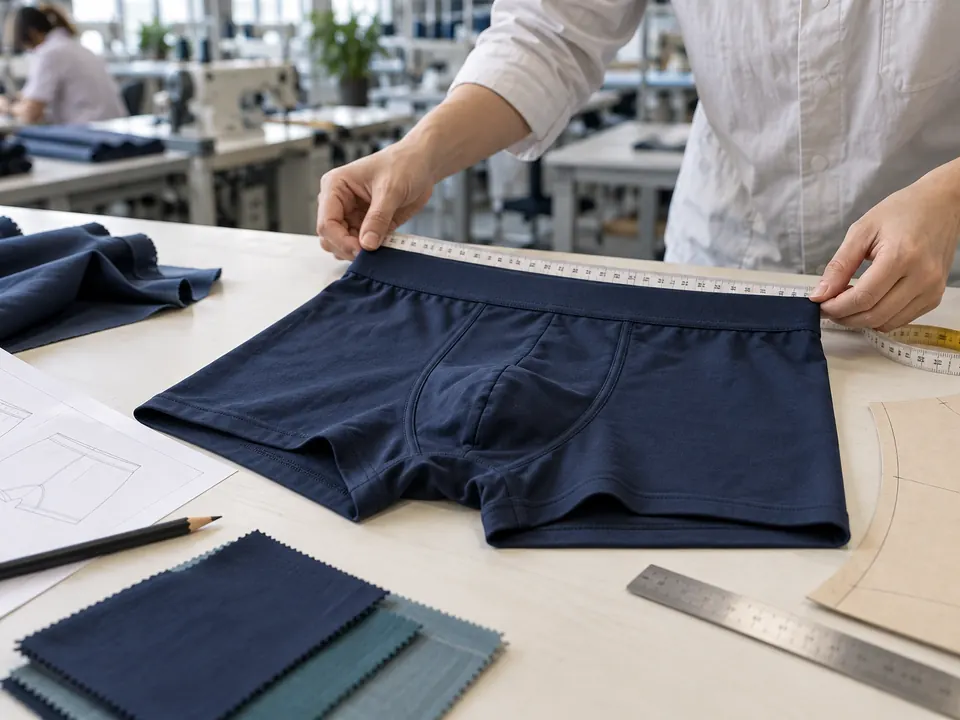 Fit & constructionAI placeholder / replace laterCASE 01 / UNDERWEAR
Men’s underwear fit development and sample revision
Record in preparationBuild this record around one real style and the measurable decisions made between the first brief and the approved reference.
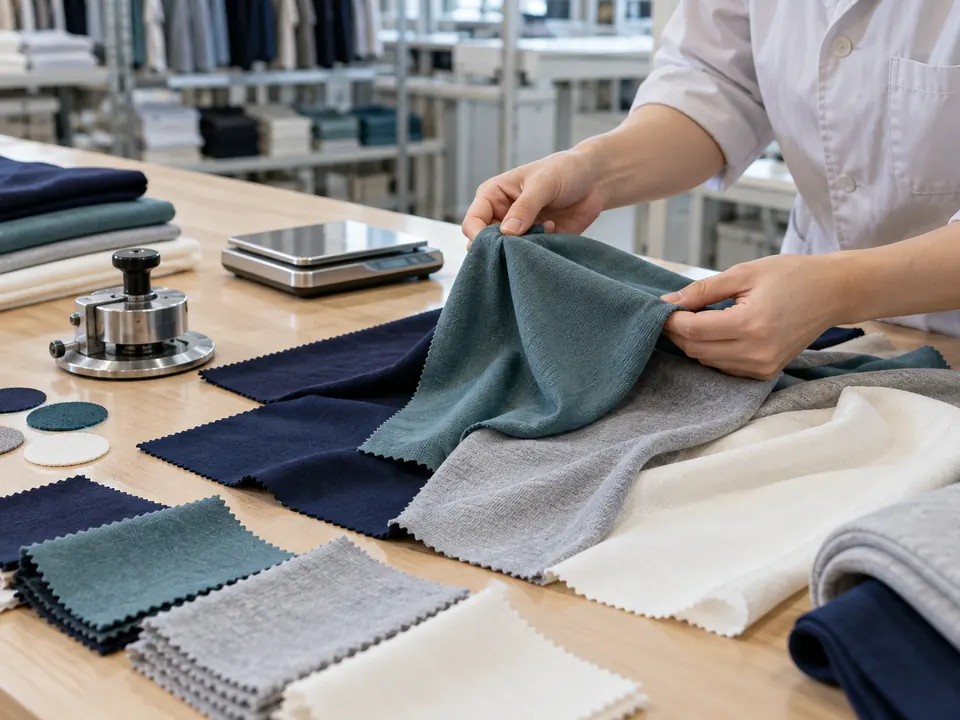 Material & finishingAI placeholder / replace laterCASE 02 / FABRIC
Material selection and finishing alignment
Record in preparationUse a real fabric decision to show how composition, weight, hand feel, color and wash behavior were connected to the intended product.
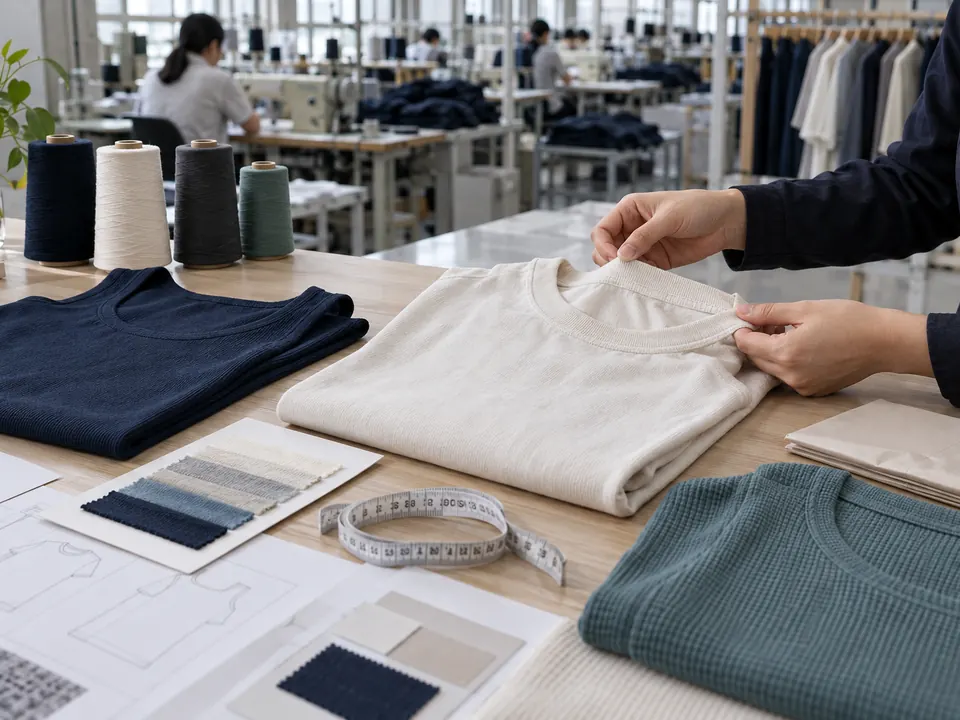 Knitted apparelAI placeholder / replace laterCASE 03 / GARMENT
Knitted apparel specification and production planning
Record in preparationDocument one real T-shirt, tank top or thermal sleepwear project from silhouette and material decisions through sampling, checks and packing.
03 / One reusable record
Keep every case
easy to verify.
The same structure helps buyers compare projects and helps BSTAR avoid turning a case study into an unsupported marketing story.
04 / Evidence labels
Tell the reader
what each item is.
Clear labels allow BSTAR to publish useful information while keeping client confidentiality and evidentiary limits visible.
Confirmed project record
Supported by a project file, sample reference, measurement, photo, inspection record or other reviewable evidence.
Anonymized case
A real project with the client identity and commercially sensitive details removed or generalized under confidentiality.
Illustrative framework
A planning example that explains the case format. It must not be presented as a completed client result or testimonial.
05 / Before a case is published
Questions behind
a credible story.
A case can remain anonymous and still be specific about the product decisions, evidence and limits.
Why are some client names not shown?
Manufacturing projects often involve confidentiality. BSTAR can remove the client name while retaining confirmed product details, revisions and manufacturing lessons that do not expose protected information.
Will every project become a case study?
No. A project should be published only when the record is complete enough to explain the context, change and result without guessing missing facts.
Can an order volume or percentage be included?
Yes, when the figure is confirmed and publication is appropriate. Otherwise the case should use a non-numeric description or omit the figure.
What photos are useful?
Useful evidence may include sample versions, measurement points, construction details, material references, QC checks and packing. Client logos and identifying labels can be concealed.
Can buyers discuss a similar project?
Yes. Share the product type, intended fit, material direction, size range, branding and target market. BSTAR can then review which development and production questions need to be confirmed.
Start with the product brief
Have a project that needs
a clearer production path?
Share the category, reference, specification and current challenge. The first step is to identify what must be confirmed before sampling or production planning.